Home › Container Services › Custom Modifications
Doors, vents, insulation, and power — fabricated in the shop, warrantied after the cut, delivered ready to work.
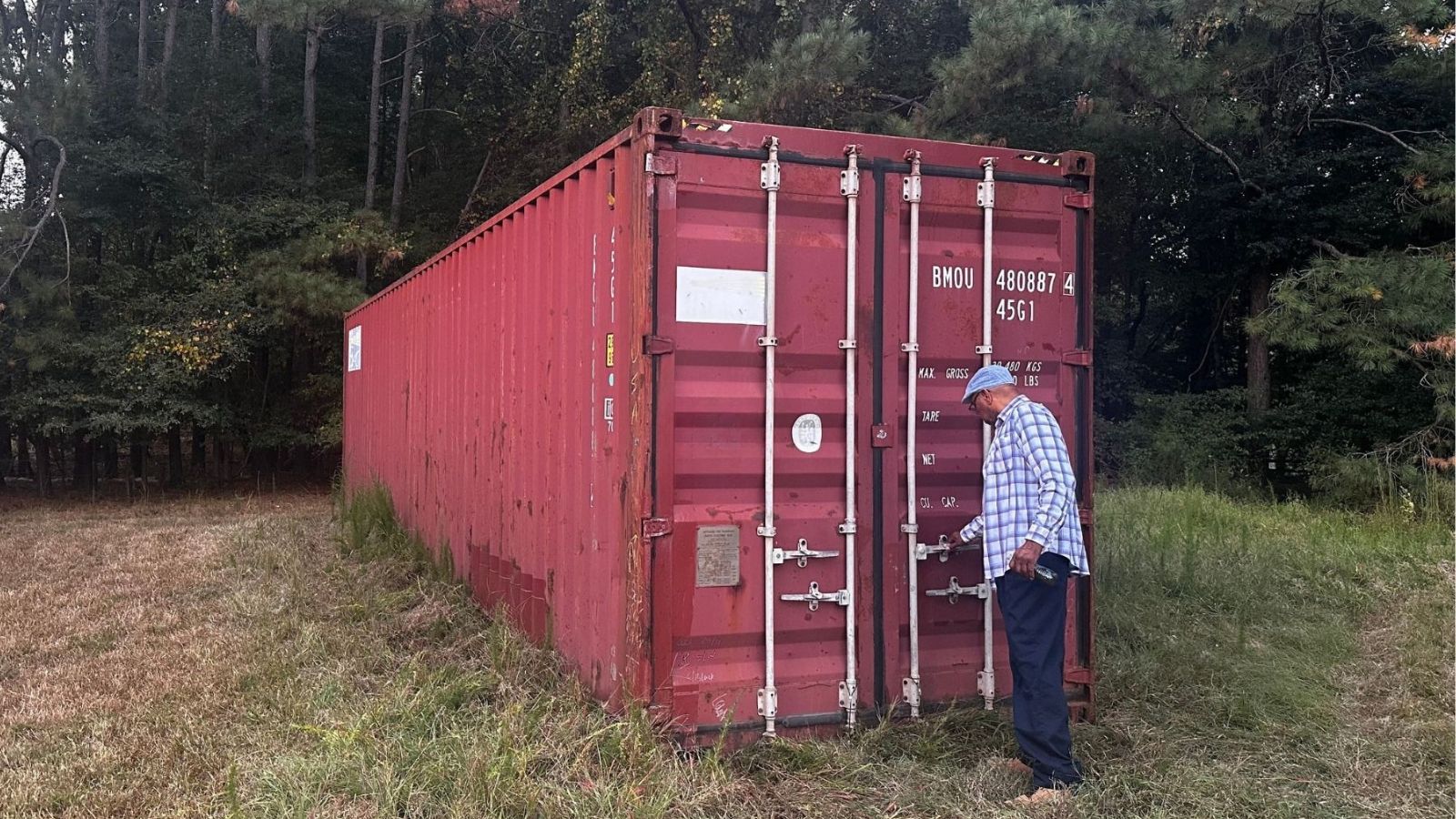
A stock container is a superb vault and a lousy workspace: one entrance, no light, no air. Fabrication fixes that in the shop — where welders have jigs, power, and a roof — so the unit that lands on your property already has its roll-up door hung, vents turning, insulation cured, and outlets live. Field-modifying a box in a Shawnee driveway costs more and reads worse; we cut before we truck.
Man door, shelving, lockbox, interior light. The package that ends trailer break-ins for metro GCs.
Side or end roll-up for pallet flow at the dock apron — the I-435 corridor standard.
Foam or panel insulation, lined walls, electrical package, mini-split option. High Cube base recommended.
Turbine or louvered vents that kill the condensation Midwest temperature swings breed inside sealed steel.
Describe the use on a call and we spec backward from it — often to a smaller package than you expected; vents-plus-lockbox solves more problems than people think. The written quote line-items the base container, each modification, and delivery to your ZIP. Simple packages add days to the timeline; insulated electrical builds add weeks. Approve the drawing promptly and the shop slot holds; then the finished unit rides a normal tilt-bed delivery to your site.
Roll-up doors for forklift-fed storage, man doors so nobody wrestles cargo doors in January, turbine vents against Midwest humidity swings, and insulation-plus-electrical packages for year-round workshops. Lockboxes come standard on most builds.
Insulated and wired, absolutely — spray foam or panel insulation with a small heater (or mini-split for summer too) keeps a workshop usable from January through the August swelter. Start from a High Cube so lining doesn't eat your headroom.
Not when framed and welded correctly — every opening we cut gets steel-framed, sealed, and primed, and the wind-and-watertight warranty survives the build. Cheap field cuts with an angle grinder are a different story; that's why we modify before delivery.
Possibly — a container used as an occupied workspace can trigger building-code review that plain storage doesn't, especially in Johnson County cities. Our KC permits guide covers the pattern; check your municipality before finalizing a spec.
Every quote we issue for modified work reads the same way: base container (size, height, grade) on line one, then each modification as its own line — door model and placement, window count, vent type, insulation system, electrical rough-in scope — then delivery to your ZIP. Nothing bundles, because bundles hide margins and prevent exactly the comparison shopping we encourage. Take our build sheet to any fabricator in the metro and compare line for line; the transparent sheet usually wins, and when it doesn't, you've lost nothing but learned the market. That's the confident-fabricator's bet, and we make it on every spec.
The question under every modification: does cutting the box void its coverage? Here, no — framed, welded, sealed, and primed openings preserve the wind-and-watertight warranty, because the shop's work meets the same standard the warranty was written against. What voids coverage is relocation damage and field cuts by others. Modify before delivery, through the shop, and the box that arrives customized is exactly as covered as the one that arrives stock. It's also cheaper in every case we've priced: mobilizing a welder to a driveway costs more than the same cuts made where the jigs, gas, and grid power already live — one more argument for deciding the full spec before the truck rolls rather than discovering it afterward. When in doubt about a feature, spec the rough-in now and the finish later; holes are cheap in the shop and dear in the field.